Heather Donnelly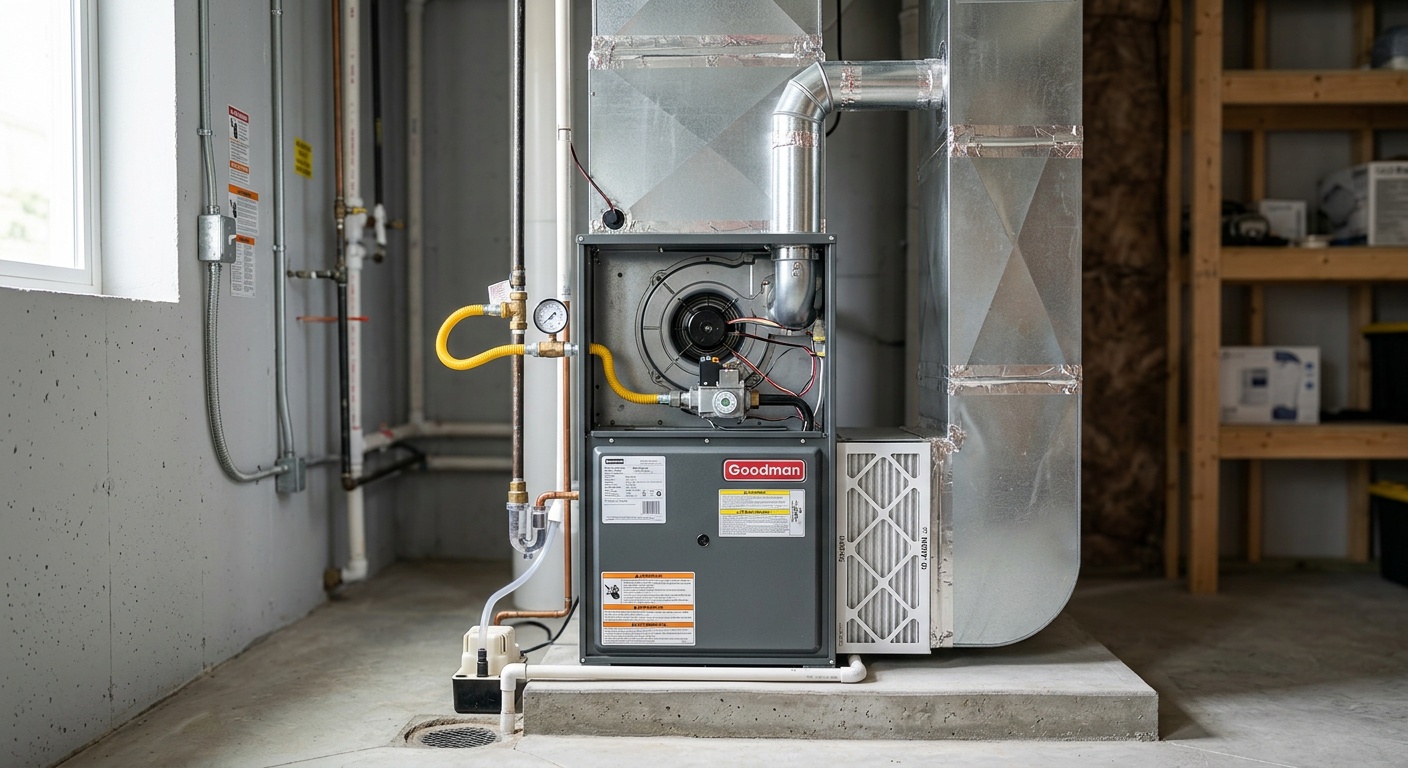
Seasonal Home System Guides Every Homeowner Needs in 2026
Reading time: 14 minutes
Ever walked into your basement in March to find your water heater groaning like it’s auditioning for a horror film? Or stepped outside in July only to realize your AC unit gave up somewhere around Memorial Day? You’re not alone. According to the 2025 American Housing Survey, nearly 68% of homeowners experienced at least one major home system failure that could have been prevented with proper seasonal maintenance. In 2026, with energy costs averaging 12% higher than they were just three years ago, the stakes of neglecting your home’s critical systems have never been higher.
Here’s the straight talk: Seasonal home maintenance isn’t about being a perfectionist—it’s about being a strategist. Think of your home as a living organism. Every season brings a new set of demands, and your HVAC, plumbing, electrical, and roofing systems respond differently to winter frost, spring thaw, summer heat, and autumn winds. Miss the rhythm, and you’re not just looking at discomfort—you’re staring down repair bills that average $3,200 to $8,500 depending on the system, according to HomeAdvisor’s 2025 Cost Report.
This guide is your seasonal playbook—practical, precise, and designed to help you stay ahead of every curveball your home throws at you throughout the year.
Table of Contents
- Why Seasonal Home Maintenance Matters More in 2026
- Winter System Guide: Defending Against the Deep Freeze
- Spring System Guide: The Great Reset
- Summer System Guide: Keeping Cool Under Pressure
- Fall System Guide: Fortifying Before the Storm
- Seasonal System Maintenance Comparison Table
- Cost of Neglect: A Data Visualization
- 3 Common Challenges and How to Overcome Them
- FAQs
- Your Year-Round Home Protection Roadmap
Why Seasonal Home Maintenance Matters More in 2026
The conversation around home maintenance has fundamentally shifted. In 2026, three major forces are redefining what it means to be a responsible homeowner: climate volatility, rising material costs, and smart home integration. Winter storms in 2025 caused over $14 billion in residential property damage across the US—much of it preventable with timely system checks. Meanwhile, the average cost of a licensed HVAC technician has risen to $95–$150 per hour, up from $75 in 2023.
Smart home technology is also changing the equation. As of early 2026, over 42% of US households have at least one smart home device connected to a home system (thermostat, leak detector, or electrical panel monitor). This creates both opportunities and new responsibilities—because a smart thermostat is only as effective as the HVAC system it’s managing.
“Preventive maintenance returns about $100 saved for every $1 spent. In today’s market, that’s not just good advice—it’s financial survival.” — Dr. Rachel Kim, Structural Systems Engineer, MIT Built Environment Lab, 2025
The bottom line? A seasonal approach isn’t optional anymore. It’s the foundation of smart homeownership in 2026.
Winter System Guide: Defending Against the Deep Freeze
Winter is the season that separates proactive homeowners from reactive ones. When temperatures drop below freezing, your home’s most vulnerable systems—plumbing, heating, and insulation—are under maximum stress. The good news: most winter failures are entirely preventable with the right checklist executed at the right time.
Heating System: Your First Line of Defense
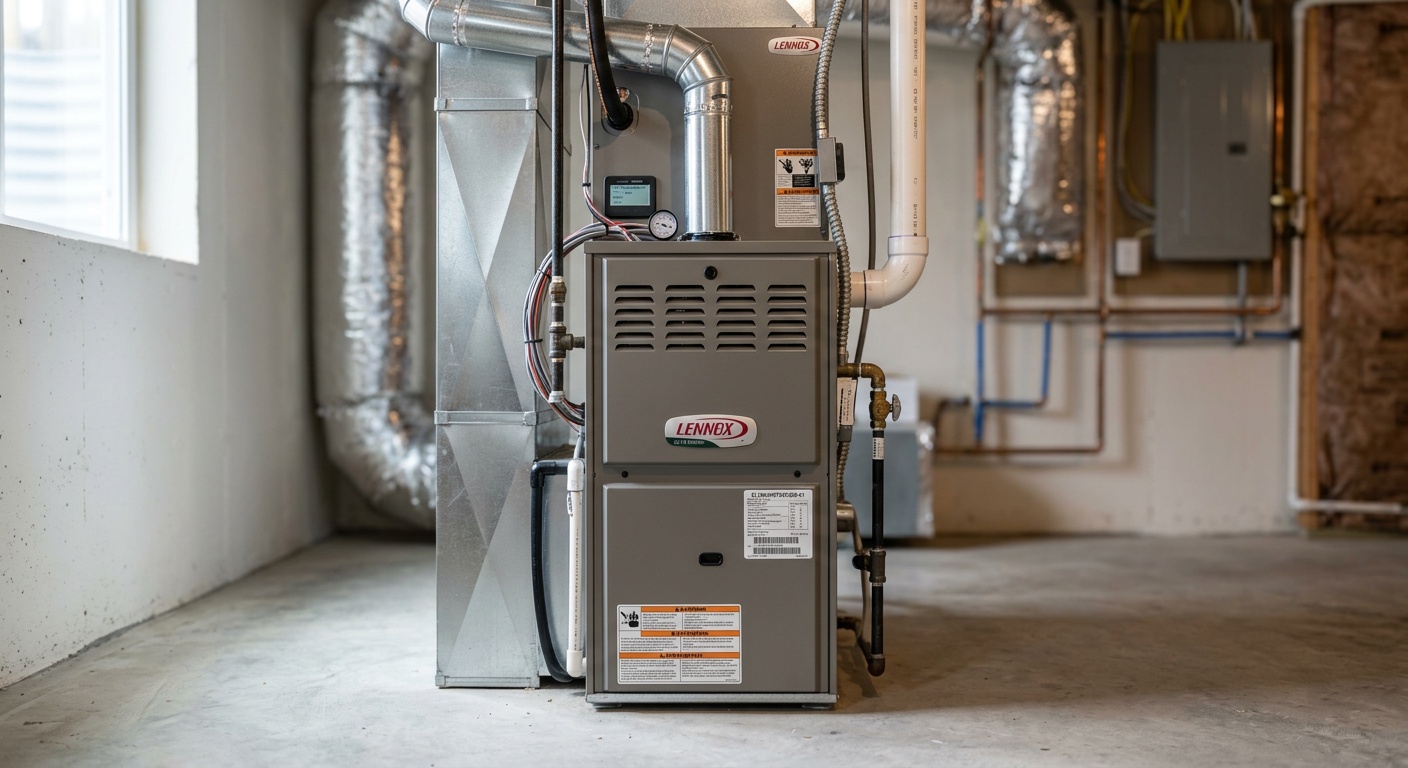
Your furnace or heat pump is working overtime from November through March. Before the first serious cold snap arrives, here’s what needs to happen:
- Schedule a furnace inspection by late October. A certified HVAC technician should check the heat exchanger for cracks (a cracked exchanger can leak carbon monoxide), clean the burners, and verify ignition systems. This service typically runs $80–$120 and can prevent emergency calls that cost $350–$600.
- Replace air filters every 60–90 days. A clogged filter forces your system to work 15–20% harder, spiking your energy bill and shortening equipment life.
- Test your thermostat’s heating mode in September—not December, when HVAC technicians are fully booked.
- Bleed radiators if you have a hot water (hydronic) heating system. Trapped air reduces efficiency significantly.
- Check your carbon monoxide detector batteries. CO-related incidents spike 300% during winter months, per the CDC’s 2025 seasonal safety report.
Plumbing: Preventing the $10,000 Pipe Burst
A burst pipe is one of the most catastrophic and expensive winter failures a homeowner can experience. The average insurance claim for burst pipe water damage in 2025 was $11,400, according to the Insurance Information Institute. Here’s how to stop it before it starts:
- Insulate exposed pipes in unheated spaces like garages, crawl spaces, and exterior walls. Foam pipe insulation costs as little as $0.50 per linear foot—remarkable ROI against a potential five-figure repair.
- Disconnect and drain outdoor hoses and shut off exterior faucet valves from inside your home.
- Know your main water shutoff valve location. In an emergency, being able to shut off water in 30 seconds versus 5 minutes is the difference between a damp floor and a destroyed basement.
- Set thermostat no lower than 55°F even when away, and keep cabinet doors under sinks open during extreme cold spells to allow warm air circulation.
- Consider a smart water leak detector (brands like Moen Flo or Phyn Plus) that can detect pipe stress and automatically shut off water supply—a technology that prevented an estimated $340 million in water damage across North America in 2025.
Quick scenario: Consider the case of a homeowner in Minneapolis who ignored the mild gurgling sound in their basement pipes throughout November 2024. By January 2025, a pipe had burst in the ceiling above their finished basement, causing $14,800 in damage. A $40 insulation job and a $15 shutoff valve inspection would have prevented all of it. Don’t be that homeowner.
Spring System Guide: The Great Reset
Spring is your home’s annual diagnostic window. After months of stress from cold, ice, and heavy use, every major system benefits from inspection, cleaning, and recalibration. Think of spring maintenance as your home’s annual physical—a proactive checkup that catches small problems before they become expensive surgeries.
HVAC Transition: From Heating to Cooling
Spring is the perfect time to shift your HVAC focus from heating to cooling prep. The window between April and early June is when HVAC technicians are still available without emergency premiums.
- Schedule AC servicing in March or April. Technicians should check refrigerant levels, clean condenser coils, inspect electrical connections, and test the compressor. An under-charged AC system can use 20–30% more energy to reach the same temperature.
- Clean or replace return air filters and clear any debris around outdoor condenser units that accumulated over winter.
- Check ductwork for leaks. The EPA estimates that leaky ducts waste 20–30% of conditioned air in the average home. Sealing them with mastic or foil tape (not standard duct tape, which degrades) can meaningfully reduce energy bills.
- Test all ceiling fans and switch them to counterclockwise rotation for summer (moves air downward to create a wind-chill effect).
Roof and Drainage: Post-Winter Damage Assessment
Winter is brutal on roofing systems. Ice dams, freeze-thaw cycles, and heavy snow loads can create damage that’s invisible from ground level but devastating if ignored into summer rain season.
- Inspect your roof from ground level with binoculars, or hire a roofing professional for a close-up inspection. Look for missing, curled, or cracked shingles; damaged flashing around chimneys and skylights; and granule buildup in gutters (a sign of aging shingles).
- Clean gutters and downspouts thoroughly. Clogged gutters caused an estimated $1.1 billion in foundation and water damage in the US in 2025. Ensure downspouts direct water at least 6 feet away from your foundation.
- Check attic ventilation and insulation. Proper ventilation prevents moisture buildup that leads to mold and wood rot. In 2026, many municipalities now require a minimum of R-49 insulation in attics for energy code compliance.
- Test sump pump operation before spring rains arrive. Pour water into the sump pit to verify the pump activates. A failed sump pump during a heavy rain event can flood a basement within hours.
Summer System Guide: Keeping Cool Under Pressure
Summer in 2026 presents new challenges. With record-breaking heat events becoming more frequent—the summer of 2025 saw 23 days above 100°F in Dallas, Texas, breaking the previous record of 18 days—your cooling systems are carrying loads they weren’t originally designed for. This section is especially critical for homeowners in the Sun Belt and increasingly for those in traditionally moderate climates like the Pacific Northwest.
Cooling System Performance Optimization
Even a well-maintained AC system can struggle during extreme heat events. Here’s how to maximize performance when it matters most:
- Program your smart thermostat strategically. Pre-cooling your home in the early morning hours (when energy rates are lowest under Time-of-Use pricing, now offered by over 60% of US utilities) rather than fighting peak afternoon heat is significantly more efficient.
- Use window treatments intelligently. Closing blinds on south- and west-facing windows during peak sun hours (10 AM–4 PM) can reduce solar heat gain by up to 45%, according to the Department of Energy’s 2025 Building Performance Report.
- Don’t neglect indoor air quality. Summer increases humidity, pollen, and VOC levels indoors. Run your HVAC fan (not just the cooling mode) periodically to filter indoor air, and consider a whole-home dehumidifier if your home maintains above 60% relative humidity.
- Check your electrical panel capacity. The simultaneous operation of AC units, refrigerators, EV chargers, and other high-draw appliances during summer peaks can overload older 100-amp panels. If your home was built before 2000 and you’ve added an EV charger or a second AC unit, have a licensed electrician assess your panel capacity.
Outdoor Systems and Water Management
- Inspect and test your irrigation system in late May before regular use. Broken heads, clogged drip emitters, and controller programming errors waste thousands of gallons and increase your water bill unnecessarily.
- Check deck and outdoor structure integrity. Summer UV exposure and heat cause wood expansion and potential structural movement. Inspect deck boards, railings, and ledger connections to your home annually.
- Clean dryer vents. Lint buildup is a year-round fire hazard, but summer’s increased laundry loads make July and August especially critical. The US Fire Administration reports that dryer fires peak in summer months.
Fall System Guide: Fortifying Before the Storm
Fall is arguably the most important maintenance season because you’re simultaneously wrapping up summer demands and preparing for winter challenges. Miss the fall window, and you enter the harshest season underprepared. Execute it well, and you can rest easy from November through March.
- Chimney and fireplace inspection: Schedule a certified chimney sweep (CSIA-certified) annually. Creosote buildup causes approximately 25,000 chimney fires per year in the US. In 2026, with natural gas prices stabilizing but wood prices rising, wood-burning fireplaces are seeing a resurgence—making this more relevant than ever.
- Weatherization check: Inspect all weatherstripping around doors and windows. The Department of Energy estimates that air leaks account for 25–40% of heating and cooling energy loss in a typical home. Replacing worn weatherstripping is a sub-$50 DIY fix with immediate impact on your energy bill.
- Water heater flush: Sediment buildup at the bottom of your water heater tank reduces efficiency and shortens lifespan. Flushing the tank annually (draining 3–4 gallons from the drain valve) removes sediment and can extend water heater life by 3–5 years.
- Test smoke and CO detectors: Replace batteries and test all units. Smoke detector replacement is recommended every 10 years; check the manufacture date on the back of each unit.
- Yard and exterior prep: Trim trees and branches within 10 feet of your home’s roofline. Ice storms and winter winds turn overhanging branches into roof-penetrating projectiles. This is one of those $200 preventive measures that avoids a $6,000 roof repair.
Seasonal System Maintenance Comparison Table
| System | Key Season | Avg. Preventive Cost | Avg. Repair Cost (Neglected) | ROI of Prevention |
|---|---|---|---|---|
| HVAC System | Spring & Fall | $150–$250/yr | $3,500–$8,000 | Up to 32x |
| Plumbing | Winter | $40–$100/yr | $5,000–$14,000 | Up to 140x |
| Roofing | Spring & Fall | $100–$300/yr | $4,000–$15,000 | Up to 50x |
| Electrical Panel | Summer | $75–$150/yr | $2,500–$6,000 | Up to 40x |
| Chimney/Fireplace | Fall | $150–$250/yr | $3,000–$20,000 | Up to 80x |
Cost of Neglect: Average Repair Costs by System (2026 Data)
Average Emergency Repair Costs When Seasonal Maintenance Is Skipped
Source: HomeAdvisor Cost Report 2025 / Insurance Information Institute 2025
3 Common Challenges and How to Overcome Them
Challenge 1: “I Don’t Know Where to Start”
This is the most common barrier, especially for first-time homeowners. The sheer volume of systems—HVAC, plumbing, electrical, roofing, foundation, appliances—can feel paralyzing. The solution isn’t to tackle everything at once. Instead, use a tiered prioritization approach:
- Tier 1 (Safety-Critical): Smoke detectors, CO detectors, electrical panel, chimney. These get addressed first, always.
- Tier 2 (Cost-Critical): HVAC, plumbing insulation, roof and gutter maintenance. These carry the highest financial risk if neglected.
- Tier 3 (Efficiency-Focused): Weatherstripping, filter replacements, irrigation systems. Important for energy savings but less immediately catastrophic.
Create a simple home maintenance calendar—a digital spreadsheet or a dedicated app like Centriq or HomeZada (both significantly upgraded their AI-powered maintenance scheduling features in 2025)—and assign one tier-based task per month. You’ll cover your entire home in a 12-month cycle without ever feeling overwhelmed.
Challenge 2: Finding Reliable Contractors at Reasonable Prices
In 2026, the skilled trades shortage continues to create pricing volatility. HVAC technicians, plumbers, and electricians are in high demand, and emergency call-out fees can be punishing. Here’s how to navigate this intelligently:
- Book off-season. Schedule your furnace inspection in August, your AC service in February. You’ll get faster availability and often 15–25% lower pricing than peak-season service calls.
- Use verified platforms. Angi (formerly Angie’s List), Thumbtack, and Houzz Pro now offer verified background checks and license verification. In 2025, over 73% of homeowners found their primary contractor through a verified online platform.
- Consider service agreements. Many HVAC and plumbing companies offer annual maintenance contracts that lock in pricing, guarantee priority scheduling, and include one or two free service calls. These typically run $150–$350 per year and frequently pay for themselves in a single avoided emergency visit.
Challenge 3: Maintaining Older Homes with Aging Systems
If your home was built before 1990, you’re managing systems with genuine age-related vulnerabilities. A homeowner in Chicago discovered in spring 2025 that her 1978 home had original galvanized steel pipes that had narrowed to just 40% of their original flow capacity due to mineral buildup—a problem invisible from the surface but creating dangerous water pressure inconsistencies throughout the home. The $4,200 repiping cost was significant, but the alternative was a near-certain catastrophic failure within 18 months.
For older homes, the approach is simple: budget 1–1.5% of your home’s value annually for maintenance and capital replacements. A $350,000 home should have $3,500–$5,250 set aside annually. Track system ages: most HVAC systems last 15–20 years, water heaters 8–12 years, roofs 20–30 years depending on material. Knowing where each system sits in its lifespan allows you to plan proactively rather than react to failures.
Frequently Asked Questions
How often should I schedule a professional HVAC inspection, and is it really necessary every year?
Yes, annual professional HVAC inspections are genuinely worth the investment—and this recommendation holds even more strongly in 2026, when systems are working harder due to more extreme seasonal temperatures. Ideally, schedule two visits: one in spring for cooling system prep and one in fall for heating system prep. A professional can detect refrigerant leaks, heat exchanger cracks, and efficiency losses that smart thermostats and homeowner visual checks simply cannot identify. The typical $80–$150 per visit is easily recovered through improved efficiency and avoided emergency repairs, which average 4–8x the cost of preventive service calls.
What seasonal home maintenance tasks can I safely DIY versus when should I always call a professional?
The DIY boundary in 2026 is fairly clear: surface-level, low-voltage, and non-structural tasks are generally safe DIY territory. This includes replacing air filters, cleaning gutters, testing smoke detectors, caulking around windows, flushing water heaters, cleaning dryer vents, and replacing weatherstripping. Tasks that involve your electrical panel beyond resetting breakers, gas line connections, structural roofing repairs, refrigerant handling, or anything requiring a permit—these are professional-only territory. In most states, unpermitted electrical or gas work can void your homeowner’s insurance and create liability issues if you sell your home. When in doubt, the cost of a professional consultation is almost always cheaper than the consequences of a DIY mistake in these categories.
Are smart home monitoring devices actually effective at preventing seasonal home system failures?
The data on this is increasingly compelling. A 2025 study by the Insurance Research Council found that homes with smart water leak detectors experienced 73% lower water damage claim costs than those without. Smart thermostats with diagnostic capabilities (like the Ecobee SmartThermostat Premium or Google Nest with its HVAC monitoring features) can alert you to efficiency drops that signal system problems before they become failures. However, smart devices are tools—not replacements for physical inspections. Think of them as an early warning system layered on top of, not in place of, your seasonal maintenance routine. The most protected homes in 2026 combine professional seasonal inspections, smart monitoring technology, and homeowner vigilance into a three-layer defense strategy.
Your Year-Round Home Protection Roadmap
Here’s what we know to be true heading deeper into 2026: the most valuable thing you can do as a homeowner isn’t reactive—it’s predictive. As climate patterns intensify, energy costs rise, and skilled trade availability tightens, the homeowners who thrive are those who’ve built seasonal maintenance into their lifestyle rather than treating it as an annual scramble.
Here are your 5 immediate next steps to turn this guide into action:
- Audit your home’s current season. Right now, identify which of the four seasonal guides applies to you and pull out the most time-sensitive action items. Don’t try to catch up on everything at once—focus on what’s most relevant in the next 60 days.
- Create your home maintenance calendar. Use HomeZada, Centriq, or even a simple Google Sheets template. Assign each major task to a specific month, note the systems’ ages, and set digital reminders 3 weeks before each scheduled task.
- Book your HVAC, chimney, and plumbing inspections off-season. This single habit can save you 15–30% on service costs while guaranteeing better contractor availability.
- Establish your maintenance fund. If you haven’t already, open a dedicated savings account and set up an automatic monthly transfer equal to 1% of your home’s value divided by 12. This takes the financial shock out of planned replacements and emergency repairs.
- Layer in one smart monitoring device. Start with a smart water leak detector if you have a basement or first-floor laundry—it offers the highest risk-reduction ROI of any smart home device available in 2026.
The broader trend is clear: as homes become more complex, more connected, and more energy-intensive, the cost gap between maintained and unmaintained properties will only widen—in repair costs, energy bills, resale value, and insurability. The National Association of Realtors reported in early 2026 that well-documented maintenance history increased average home sale prices by 3.8% compared to similar homes without records.
Here’s the question worth sitting with: What would it mean for your financial security and quality of life if your home simply never surprised you with a catastrophic failure? That’s not a fantasy—it’s the realistic outcome of the approach you’ve just read. Your home is likely your largest asset. It’s time to manage it that way.