Heather Donnelly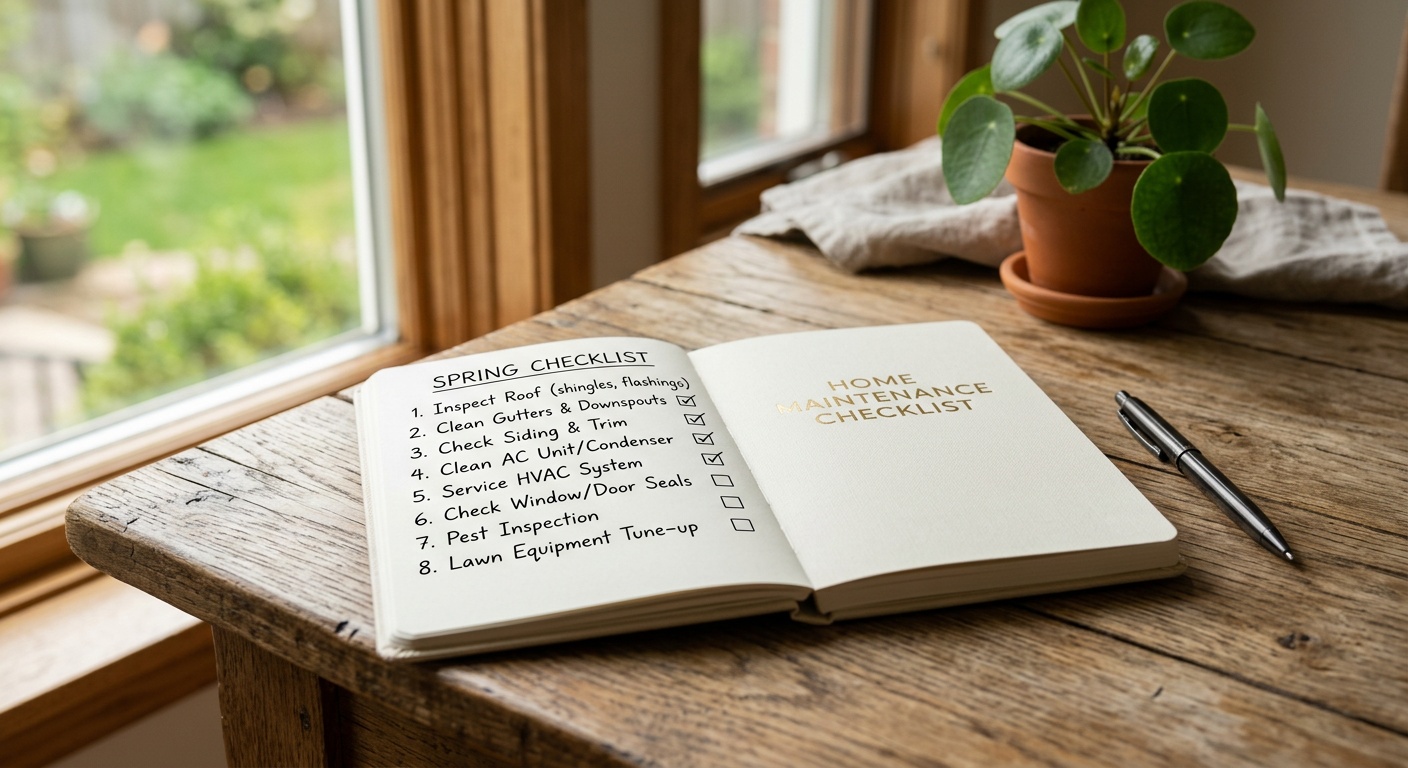
Seasonal Home Maintenance Checklist to Protect Your Property Year Round
Reading time: 14 minutes
Ever walked into your basement after a heavy spring rain only to find an inch of standing water creeping toward your furnace? Or discovered cracked caulking around your windows right as the first winter freeze hits? You’re not alone. According to the National Association of Home Builders 2025 Homeowner Survey, nearly 68% of homeowners reported at least one preventable maintenance failure that cost them significantly more to repair than it would have to prevent. The average emergency home repair in 2026 now costs between $1,800 and $6,500 — a figure that climbs every year alongside inflation and skilled labor shortages.
Here’s the straight talk: protecting your home isn’t about being a DIY superhero. It’s about strategic, seasonal awareness — knowing exactly what to check, when to check it, and why it matters before small issues become catastrophic (and expensive) problems.
This guide breaks the year into four actionable maintenance seasons, gives you real checklists you can use today, and arms you with the expert knowledge to keep your home running safely and efficiently no matter what the weather throws at it.
Table of Contents
- Why Seasonal Maintenance Is a Financial Strategy, Not Just a Chore
- Spring Maintenance Checklist: Recovery and Renewal
- Summer Maintenance Checklist: Efficiency and Prevention
- Fall Maintenance Checklist: The Most Critical Season
- Winter Maintenance Checklist: Protection and Vigilance
- 3 Common Maintenance Challenges and How to Overcome Them
- Seasonal Maintenance Cost vs. Repair Cost Comparison
- Most Neglected Home Systems: At a Glance
- Frequently Asked Questions
- Your Year-Round Protection Roadmap: Next Steps
Why Seasonal Maintenance Is a Financial Strategy, Not Just a Chore
Think of your home the way you think about your car. You wouldn’t skip oil changes for three years and hope for the best before a cross-country road trip. Yet millions of homeowners do the equivalent with their roofing, HVAC systems, gutters, and foundations every single year.
The Harvard Joint Center for Housing Studies 2025 Report estimated that U.S. homeowners collectively spent over $490 billion on home improvements and repairs in 2025 — and a significant portion of that figure was reactive spending, not planned investment. Reactive repairs cost, on average, 3 to 5 times more than the preventive maintenance that would have avoided them entirely.
Beyond finances, there’s a safety dimension. Unmaintained HVAC systems contribute to poor indoor air quality. Clogged gutters cause foundation damage and basement flooding. Faulty smoke and carbon monoxide detectors leave families exposed. Seasonal maintenance is, at its core, a form of risk management.
“Homeowners who follow a structured seasonal maintenance plan spend an average of $1,200 per year on upkeep — but save an estimated $4,800 annually in avoided emergency repairs.” — Angie’s List Pro Contractor Insights Report, 2025
Ready to turn your home into a well-managed asset? Let’s walk through each season with purpose.
Spring Maintenance Checklist: Recovery and Renewal
Spring is your home’s recovery season. After months of freeze-thaw cycles, heavy snow loads, ice dams, and wind, your property has taken a beating — even if it doesn’t look like it on the surface. This is the time to assess, repair, and prepare for summer heat and storm season.
Exterior Inspection Priorities
Start from the top and work your way down. Your roof is your home’s first line of defense, and winter is its toughest adversary.
- Roof inspection: Look for missing, cracked, or curling shingles. Check flashing around chimneys, vents, and skylights for gaps or rust. If your roof is more than 15 years old, consider a professional inspection — in 2026, roofing replacement costs average $9,500–$22,000 depending on material and square footage.
- Gutters and downspouts: Clear debris accumulated over winter. Check for sagging, detached sections, or holes. Ensure downspouts direct water at least 6 feet from your foundation.
- Foundation walk-around: Look for new cracks, settling, or signs of water intrusion along the perimeter. Horizontal cracks are more concerning than hairline vertical ones — call a structural engineer if in doubt.
- Driveway and walkways: Fill cracks before they expand with freeze-thaw in the coming year. A $12 tube of driveway sealant can prevent a $2,000 resurfacing job.
- Exterior paint and siding: Check for peeling, warping, or gaps. Wood siding that has lost its protective coating can begin to rot within a single wet season.
- Window and door caulking: Reapply silicone caulk anywhere you see gaps, cracks, or deterioration. This directly impacts your energy bills.
Interior and Mechanical Systems
- HVAC system transition: Replace the furnace filter (if not done in winter), schedule an AC tune-up before summer heat arrives, and clean registers throughout the home.
- Water heater inspection: Flush sediment from the tank (if tank-style), test the pressure relief valve, and check for corrosion around connections.
- Sump pump test: Pour a bucket of water into the sump pit to confirm the pump activates. Spring rain season is precisely when you need it working perfectly.
- Smoke and CO detectors: Test all units, replace batteries, and replace any detector older than 10 years. The U.S. Fire Administration recommends replacing smoke alarms every decade.
- Plumbing check: Inspect under sinks for signs of slow leaks. Check outdoor hose bibs for freeze damage sustained over winter.
Quick Scenario: Consider Mark and Linda, homeowners in northern Ohio who skipped their spring roof inspection for two consecutive years. By early 2026, what started as three missing shingles had developed into a $14,000 roof decking replacement and interior ceiling drywall repair. A $150 inspection would have caught the issue at the $400 shingle-repair stage. The math speaks for itself.
Summer Maintenance Checklist: Efficiency and Prevention
Summer maintenance is about two things: keeping your home cool and efficient, and preparing for the intense storms that come with warm-weather months. It’s also a perfect time to tackle exterior projects while conditions are favorable.
Energy Efficiency and Cooling Systems
- AC filter replacement: During peak cooling months (June–August), replace filters every 30–45 days if you have pets or allergy sufferers in the home. A clogged filter forces your system to work harder, increasing energy consumption by up to 15%.
- Ceiling fans: Ensure fans are set to rotate counterclockwise in summer to push cool air down. Reverse the switch in winter for efficiency gains.
- Attic ventilation: Check that soffit and ridge vents are unobstructed. Poor attic ventilation in summer can push attic temperatures above 150°F, degrading shingles from the inside out and dramatically increasing cooling costs.
- Weatherstripping: Check all exterior doors. You should not be able to see daylight around a closed door frame. Replacing worn weatherstripping costs under $30 and can reduce cooling bills noticeably.
- Window treatments: Install cellular shades or solar screens on south- and west-facing windows to reduce solar heat gain — a simple step that can reduce cooling load by 5–10%.
Outdoor and Structural Tasks
- Deck and fence inspection: Check for loose boards, protruding nails, soft wood (indicating rot), and unstable posts. Apply deck sealant every 1–3 years depending on your climate and wood species.
- Landscaping and drainage: Trim tree branches that overhang the roof by more than 6 feet. Roots and branches can cause significant damage during summer storms. Ensure soil grading slopes away from your foundation.
- Exterior lighting: Test all exterior fixtures and replace bulbs. Functioning outdoor lighting is both a safety and security asset.
- Irrigation systems: Check sprinkler heads for clogs or misalignment to prevent overwatering near your foundation.
- Garage door maintenance: Lubricate hinges, springs, and tracks with a dedicated garage door lubricant. Test the auto-reverse safety feature.
Fall Maintenance Checklist: The Most Critical Season
If you could only do maintenance in one season, make it fall. Fall preparation directly determines how well your home survives winter — the most destructive season for residential properties across most of North America. Think of fall maintenance as winterizing your single largest asset.
Heating System Preparation
- Furnace or boiler service: Schedule a professional HVAC tune-up every fall before you need the system. Technicians will clean burners, check heat exchangers for cracks (a cracked heat exchanger can leak carbon monoxide), and verify safety controls.
- Chimney and fireplace inspection: The National Fire Protection Association recommends annual chimney inspections. Creosote buildup is a leading cause of chimney fires. If you use your fireplace regularly, schedule a cleaning too.
- Programmable thermostat check: Update your schedule for winter hours. Smart thermostats — now installed in over 42% of U.S. homes as of 2026 — can save an average of $140 per year on heating and cooling.
- Bleeding radiators: If you have a hot water heating system, bleed trapped air from radiators before the season begins for more efficient heat distribution.
Winterization and Weatherproofing
- Gutter cleaning (again): Fall leaf debris is the primary source of gutter blockage. Clean gutters after most leaves have fallen — typically late October to mid-November depending on your region. Blocked gutters lead directly to ice dams in winter.
- Outdoor plumbing winterization: Shut off and drain exterior hose bibs. Disconnect and store garden hoses. If you have an irrigation system, schedule a professional blow-out service.
- Pipe insulation: Insulate pipes in unheated spaces like crawl spaces, garages, and attics. Foam pipe insulation costs pennies per foot and prevents one of the most destructive winter events: frozen and burst pipes. The average burst pipe claim in 2026 is approximately $11,000.
- Door and window sealing: Do a thorough audit of all seals and caulking. Hold a lit candle near window edges on a windy day — flickering flame indicates air infiltration.
- Roof and attic check: Confirm adequate attic insulation (R-38 to R-60 is recommended for most northern climates) to prevent ice dams. Ice dams form when heat escapes through the roof, melts snow, and the runoff refreezes at the cold eaves.
- Stock emergency supplies: Ice melt for walkways, backup flashlights, a generator check (if applicable), and a basic home repair kit with waterproof tarps.
Winter Maintenance Checklist: Protection and Vigilance
Winter maintenance is less about proactive projects and more about ongoing vigilance and rapid response. The goal is to catch developing problems before they escalate in harsh conditions when repairs are harder and more expensive.
- Monitor for ice dams: After heavy snowfall, use a roof rake (from the ground) to remove snow from the lower 3–4 feet of your roof edge. Ice dams can force water under shingles and into your walls and ceilings.
- Check for drafts and condensation: Frost or condensation on the interior of windows indicates air infiltration or humidity issues. Address with additional weatherstripping or a whole-home dehumidifier.
- Furnace filter maintenance: Replace every 60–90 days during heavy-use winter months. Consider upgrading to a MERV-11 or MERV-13 filter for improved indoor air quality.
- Carbon monoxide detector check: With heating systems running constantly, CO risks increase. Test detectors monthly and ensure one is installed on every floor and near each sleeping area.
- Plumbing monitoring: During prolonged cold snaps (below 20°F), open cabinet doors under sinks on exterior walls to allow warm air to circulate around pipes. Let faucets drip slightly on the coldest nights.
- Roof inspection after heavy loads: Most residential roofs are designed to handle 20–40 lbs per square foot of snow load. If you receive 12+ inches of heavy, wet snow, assess whether professional removal is needed.
- Check sump pump (if applicable): In climates with winter thaws, your sump pump may activate during warming periods. Confirm it’s operational and the discharge line isn’t frozen.
- Reverse ceiling fans: Flip ceiling fan direction to clockwise on the lowest setting to push warm air from the ceiling back down along the walls.
3 Common Maintenance Challenges and How to Overcome Them
Challenge 1: “I Don’t Know What I Don’t Know”
Many homeowners — especially first-time buyers — lack the baseline knowledge to identify developing issues. A soft spot on the deck might just look like weathered wood. A small water stain on the ceiling might seem minor. Solution: Invest in a professional home inspection every 3–5 years, not just at purchase. In 2026, a full home inspection costs $400–$700 and provides a comprehensive risk assessment. Treat it like a physical for your house.
Challenge 2: Maintenance Paralysis (Too Much to Do, Don’t Know Where to Start)
The list can feel overwhelming, leading to inaction. Solution: Use a digital home management app — platforms like Centriq, HomeZada, or Thumbtack Pro now offer AI-assisted maintenance scheduling based on your home’s age, systems, and location. Break your checklist into no more than 3 tasks per weekend. Momentum matters more than perfection.
Challenge 3: Balancing DIY vs. Professional Work
Knowing when to DIY and when to call a pro is critical. Attempting DIY electrical work or structural repairs without expertise can create safety hazards and void homeowner’s insurance. Solution: A practical rule of thumb — if the task involves your roof, electrical panel, gas lines, structural elements, or HVAC heat exchanger, hire a licensed professional. For everything else (caulking, painting, gutter cleaning, filter replacement), confident DIY is both safe and financially smart.
Seasonal Maintenance Cost vs. Repair Cost Comparison
| Home System | Preventive Maintenance Cost (2026) | Average Repair Cost if Neglected | Recommended Frequency | DIY Possible? |
|---|---|---|---|---|
| HVAC System | $150–$250/year | $3,000–$12,000 (replacement) | Annually (fall & spring) | Partial (filter changes: yes) |
| Roof | $150–$400/year | $9,500–$22,000 (full replacement) | Annually + after major storms | Inspection only (professional repair) |
| Gutters | $150–$300/year | $5,000–$15,000 (foundation damage) | Spring and late fall | Yes (safely, single-story) |
| Plumbing / Pipes | $50–$150/year | $5,000–$15,000 (burst pipe damage) | Pre-winter + annual check | Yes (insulation and monitoring) |
| Chimney / Fireplace | $200–$350/year | $8,000–$30,000 (fire damage) | Annually (before heating season) | No (always hire certified sweep) |
Most Neglected Home Systems: At a Glance
Based on the HomeAdvisor 2025 State of Home Spending Report, here are the five most commonly neglected home maintenance areas and the percentage of homeowners who admit to skipping recommended service schedules:
Source: HomeAdvisor 2025 State of Home Spending Report. Data reflects self-reported maintenance habits of U.S. homeowners.
Frequently Asked Questions
How much should I budget annually for home maintenance in 2026?
The traditional rule of thumb is the 1% Rule — budget 1% of your home’s purchase price per year for maintenance. However, given current inflation in materials and labor, many housing experts now recommend 1.5% to 2% for homes older than 15 years or located in harsh climate zones. For a $400,000 home, that translates to $6,000–$8,000 annually. This sounds like a lot until you consider that a single foundation repair can cost $12,000 or a full HVAC replacement can exceed $15,000. Spread across a maintenance fund, the math strongly favors prevention over reaction.
What is the single most important maintenance task I should never skip?
If forced to name one: annual HVAC servicing combined with regular filter changes. Your heating and cooling system affects indoor air quality, safety (through heat exchanger integrity), energy costs, and overall home comfort simultaneously. A cracked heat exchanger is a silent carbon monoxide risk. A neglected AC system can fail on the hottest day of summer, and emergency HVAC service in peak season often means days of waiting and premium pricing. An annual tune-up for $150–$250 protects a $10,000+ system and your family’s safety. Close second: smoke and carbon monoxide detector maintenance — it’s free to test, and the stakes are absolute.
Is it worth investing in smart home technology for maintenance purposes in 2026?
Absolutely, and the ROI is increasingly compelling. Smart water leak sensors (typically $30–$80 each) can detect pipe leaks or appliance failures within seconds and send smartphone alerts before thousands of dollars in water damage occurs. Smart thermostats pay for themselves in 1–2 years through energy savings. Whole-home water shutoff devices like those offered by Moen Flo or Phyn can automatically stop water flow when abnormal patterns are detected — a game-changer for vacation homes or frequent travelers. In 2026, many insurance carriers now offer premium discounts of 5–12% for homes equipped with certified smart water and smoke detection systems. The technology has matured significantly, installation has become simpler, and the protection value is well-documented.
Your Year-Round Protection Roadmap: Next Steps
You now have the framework. The question is: what do you do with it starting today? Here is your practical action roadmap, designed to move you from information to implementation without overwhelm.
- Audit your current season’s checklist this weekend. Pull up the relevant seasonal section above and walk through your home with a notepad. Document what you see — don’t fix everything at once. Triage by urgency: safety issues first, weather-driven issues second, cosmetic issues third.
- Create a home maintenance file. Whether digital (a simple Google Drive folder) or physical, document every repair, service call, and inspection with the date, contractor, and cost. This record increases home resale value and protects you in insurance claims.
- Schedule your non-negotiables now. Book your HVAC service, chimney inspection, and roof inspection for the appropriate season before those appointment windows fill up. Fall slots for HVAC technicians in many markets are fully booked by mid-September.
- Start a maintenance fund. Open a dedicated savings account and automate a monthly contribution based on 1.5% of your home’s value divided by 12. Treat it as a non-negotiable bill.
- Invest in two smart devices this year. A smart water leak sensor under your main appliances and a smart thermostat represent the highest-ROI technology investments for the average homeowner in 2026.
The broader trend shaping home maintenance in 2026 and beyond is clear: climate volatility is increasing the frequency and severity of weather events that stress residential structures. Homes that are well-maintained will not only survive extreme weather better — they will command premium resale values in a market where buyers are increasingly sophisticated about condition and risk.
Your home is likely the largest investment you’ll ever make. The homeowners who protect that investment most effectively aren’t necessarily the wealthiest or most handy — they’re the most consistent. A little attention, each season, compounds into years of safety, comfort, and financial protection. So here’s your challenge: Which one item from today’s checklist will you complete before the end of this week? Start there. Everything else follows.